

 Facebook
 X
X
 Pinterest
 Copy Link
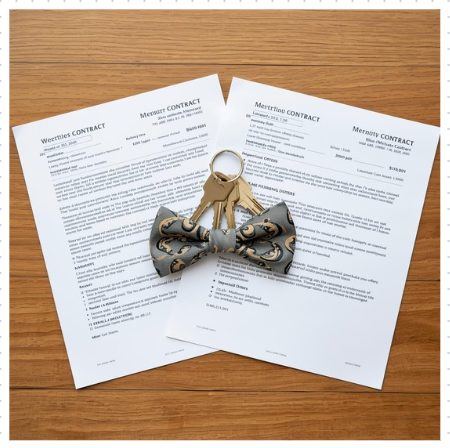
Home Selling Step 7: Weigh Offers on Your Home (Beyond Price)
If you’re ready to weigh offers on your home, this is the step where sellers often get surprised—because the “best” offer is not always the highest number on page one.
In Texas, an offer is not just a price. It is a bundle of risk, timelines, financing assumptions, inspection leverage, and buyer behavior. Your job is to choose the offer that is most likely to close on acceptable terms—not the offer that feels most flattering in the moment.
Step 7 Comes After Steps 1–6 for a Reason
You can’t reliably weigh offers on your home if you haven’t already done the earlier work that removes avoidable surprises and protects leverage.
- Home Selling Step 1: Deciding Whether to Sell Your Home (and Whether It Makes Sense)
- Home Selling Step 2: Understand Your Net Proceeds From Selling Your Home
- Home Selling Step 3: Prepare Your Home to Sell (Before You Hire a Realtor)
- Home Selling Step 4: Choose a Realtor to Sell Your Home (or Go FSBO, Flat-Fee, or Hybrid)
- Home Selling Step 5: Price Your Home to Sell (Texas CMA, BPO, and Appraisal Reality)
- Home Selling Step 6: List Your Home for Sale (Launch, Traction, Feedback, and Adjustments)
By the time offers arrive, you should already know your minimum acceptable outcome (Step 2), your pricing logic (Step 5), and your traction signals (Step 6). This step is where you choose the path that is most likely to reach closing without unnecessary damage.
When You Weigh Offers on Your Home, Price Is Only One Term
Most sellers look at the offer price first. That’s normal. But once you’re under contract, the real negotiations usually begin after inspections (and sometimes before appraisal results are even in). That’s why the “best” offer is often the one that combines:
- a price that is defensible,
- terms that limit leverage loss after inspections,
- financing that is likely to fund, and
- a buyer profile that can tolerate appraisal or repair friction.
Put plainly: you are choosing a closing probability as much as you are choosing a price.
Cash vs. Financed: The Real Risk Hierarchy
If everything else were equal, sellers would rank offers by certainty:
- Cash (no financing contingency) — fastest and least fragile, especially if inspections are limited or waived.
- Conventional financing — usually the fastest and safest financed path in most situations.
- Government-backed financing (FHA / VA / USDA) — viable and common in Abilene, but often involves more constraints and more points of failure.
Important: “Cash” does not automatically mean “no hassle.” Some cash buyers still do inspections and still negotiate aggressively afterward. The phrase that signals maximum certainty is closer to: cash, no inspections, no appraisal, and proof of funds. That combination is rare. But when it appears, it is the closest thing to an “it is what it is” offer you will see.
Even then, title and logistics still exist—cash mainly removes the lender as a point of failure.
Loan Type Matters Because Condition and Appraisal Rules Matter
In Abilene and the Big Country, you will see a mix of Conventional, FHA, VA, and USDA offers. You should not panic when you see government financing. But you should understand what each loan type tends to imply.
If you want a quick refresher on what loan types mean operationally, you can reference the buyer-side explanation here: Mortgage Types Explained for Buyers — Home Buying Step 6. Sellers benefit from understanding what buyers are navigating.
Conventional Financing
- Often faster and less procedural than government loans.
- Higher down payments generally reduce appraisal and funding fragility because the loan-to-value ratio (LTV) is lower.
- Typically more flexible on condition—but lenders can still require repairs (especially for safety, habitability, or when the appraisal flags issues).
FHA
- Can be an excellent program for buyers, but the transaction can be more condition-sensitive.
- Appraisal and repair requirements can be more structured, which sometimes creates surprises late in the game.
- Expect the buyer to negotiate repairs or credits after inspections. Do not assume “FHA” means fewer asks.
VA
- Common in an Air Force town like Abilene and should be treated as a serious, mainstream offer type.
- Condition and appraisal constraints exist, but many VA transactions close smoothly when the home is properly prepared (Step 3) and priced defensibly (Step 5).
- Do not stereotype VA buyers as “difficult.” Evaluate the specific terms and the lender execution.
USDA
- USDA Guaranteed loans can be workable in eligible areas, but still carry condition and appraisal constraints.
- USDA Direct (if it appears) is higher-risk and slower. It may be worth considering if alternatives are limited and your timeline can tolerate delays—but sellers should assume added time and uncertainty.
The practical takeaway is simple: when you weigh offers on your home, loan type is not moral or personal. It is operational. It affects timelines, condition demands, and failure points.
Local Lender vs. Distant Lender: Execution Risk Is Real
Financing strength is not only the loan type. It is also the lender.
As a seller, a pre-approval from a strong local lender often means:
- faster document turnaround,
- better communication with the buyer’s agent and your agent,
- fewer last-minute surprises, and
- a lender who understands local norms and appraisal realities.
There is a flip side: even the best pre-approval can fail if the buyer does something preventable (new debt, job change) or something unthinkable happens (job loss, medical crisis, death). You cannot eliminate that risk. You can only choose the offer that is least fragile on paper.
If you want the buyer-side perspective on why local lenders often perform better, this is covered here: Home Buying Step 3: Choose a Lender Who Explains, Not Sells.
Not all pre-approvals are equal. Some are fully underwritten. Others are little more than intake forms.
Having your Realtor ask whether a buyer’s pre-approval has been underwritten is prudent. Strong local lenders are usually transparent about this and better equipped to resolve issues before they become deal-killers.
Earnest Money is a Signal of Seriousness, not a Percentage Test.
The amount does not need to be large relative to the sale price, but it does need to be large enough that walking away hurts. Buyers who put meaningful money at risk behave differently after inspections and appraisal.
Low earnest money does not mean the buyer is unserious—but it does increase walk-away risk. Higher earnest money does not guarantee closing, but it materially improves the odds.
The Offer Is the Beginning of the End, Not the End
This is the mindset shift sellers need:
The offer price is the maximum this buyer is willing to offer—before inspections and appraisal.
After inspections, buyers often ask for 100% of the cost of whatever was discovered. That is not always fair, but it is common. This is why Steps 3 and 5 exist: to reduce surprise and keep the price defensible.
Even when an offer has “no asks” up front, you should assume the buyer will ask for something later unless the offer is truly structured as as-is with waived inspections (rare) or extremely limited inspections (more common in competitive situations).
Inspection Reality: Expect the Unexpected
You can mitigate inspection surprises, but you cannot eliminate them. Inspections find what they find—and some problems emerge after the last inspection, not before it.
In Abilene, termites are always around and hungry. “No termites last month” does not guarantee “no termites today.” The same is true for plumbing issues in the walls or underground, intermittent electrical problems, or HVAC failures that show up under stress.
The job of Step 3 preparation was to reduce the probability of expensive surprises and to prevent minor issues from becoming negotiation leverage. That work pays off here. Be aware that even with the best risk mitigation, surprises happen.
In this market, an option period of around ten days is common because inspections often take that long to schedule. Longer periods should be tied to a clear reason, such as holiday weeks or inspection backlogs.
Once inspections are completed and negotiations are resolved, it is reasonable for a seller to ask to shorten or close the option window. That is not being difficult—it is protecting leverage.
Leases Before Closing Deserve Special Caution
Allowing the Buyer to move into home before closing turns buyer regret into your problem. Issues that were obvious—or ignored—during inspections often surface once ownership changes.
Leasing introduces liability, insurance, and enforcement risks that frequently outweigh the convenience they appear to offer. In practice, they are a common source of post-closing conflict and regret.
The deal fails after possession, you inherit a legal and logistical mess.
Appraisal Risk: What Happens If Value Comes In Short
If the appraisal comes in below contract price, you have a problem—because the lender will not lend against your contract price. They lend against appraised value.
There are only a few levers available:
- Buyer brings more cash to cover the gap.
- Seller reduces price to appraised value (or closer to it).
- Both parties split the difference through a negotiated adjustment.
- The parties dispute the appraisal (sometimes successful; often slow and uncertain).
- The deal fails if neither side can or will solve the gap.
In general, higher down payments and lower LTV provide more flexibility because the buyer may have room to absorb a short appraisal without breaking the loan structure.
This is also where your Step 5 strategy matters: if your CMA is defensible and you provide your comp logic and improvement list to the buyer’s agent/lender, you can reduce appraisal volatility. You cannot guarantee outcome—but you can reduce unnecessary randomness.
How Offers Are Presented Varies—and It Matters
No two REALTORS® present offers the same way. Some will give you a clean side-by-side summary or spreadsheet-style breakdown. Others will present verbally or walk you through the contracts themselves.
If you have multiple offers, ask for clarity in writing. You should be able to see, at a glance:
- price,
- type of financing,
- down payment (where stated),
- option period length and option fee,
- earnest money amount,
- requested concessions,
- requested closing date, and
- special terms that increase or reduce risk (leaseback, contingency timing, etc.).
This is not about being “difficult.” It is about avoiding a decision made by vibe instead of structure.
This reduces first-offer bias and keeps decisions structural rather than emotional.
At the same time, waiting too long without a plan increases the risk that buyers move on. In most cases, sitting on offers for more than a day or two works against the seller.
Texas-Specific: Counters, Acceptance, and “Sitting on Offers”
Here is a Texas reality most sellers do not internalize until it bites them:
If you change the terms and send it back, it is not the same offer anymore. A counter is effectively a rejection of the original offer and a new proposal. Until both parties sign the same terms, you do not have a contract.
Also: do not take offers personally. Buyers negotiate. Some buyers lowball. Some buyers write offers that feel irritating. That does not mean you need to punish them or react emotionally. Your goal is to protect your outcome, not your pride.
And do not sit too long. Most buyers who are serious are also looking at other homes. If you delay without a plan, the buyer may move on—even if they liked your home.
Backup Offers: Useful, But Often Fragile
If you have multiple offers, a backup offer can be valuable. But sellers should be realistic:
- A backup does not become your active contract until the primary fails and the backup buyer proceeds under the defined backup structure.
- By the time a primary offer collapses, the backup buyer has often emotionally moved on or found another home.
- Backup offers work best when the backup buyer remains motivated and the timeline to activation is short.
- Also, a backup only becomes real when it is activated and the backup buyer actually performs—option fee and earnest money still have to be delivered under the contract timelines.
It is still worth considering. Just don’t treat a backup as a guaranteed parachute.
Sometimes, if a primary deal fails, sellers circle back to earlier offerors before relisting. That can work, but be prepared to explain why the first contract died—especially if the issue was repairs or appraisal.
Personal Letters and “Buyer Stories”: Proceed Carefully
Some buyers try to include personal letters or emotional appeals. You may see language like “we love your home” or “our kids can walk to school.” Sellers sometimes like these. But there are serious risks.
Personal letters can reveal buyer characteristics that should not be part of decision-making. If an appeal wanders into demographic territory or information that should not factor into housing decisions, the decision to accept or reject can later be questioned. This introduces legal risk.
Many professionals discourage these letters for that reason. If you receive one, keep your decision grounded in objective terms: price, risk, timing, and likelihood of closing.
End Use, Emotions, and the Limits of What You Can Know
Sellers often care about what happens next. Some will reject offers they believe will turn a home into a rental or change the character of the property. That desire is understandable—and common.
However, sellers should also recognize a hard reality: buyers can misrepresent intent. People sometimes say “dream home” when the plan is to renovate, flip, or rent. Emotional levers are not reliable data.
If you care strongly about end use, keep your decision anchored to objective terms and accept that you cannot fully control what happens after closing.
Listen to the Market the Offers Reflect
When you weigh offers on your home, don’t ignore the signals from Step 6. An offer that fits the traction you saw is usually safer than a slightly higher offer that depends on everything going perfectly.
Don’t Let Fatigue Cloud Judgment When You Weigh Offers on Your Home
This is also where seller fatigue quietly becomes a factor—longer timelines increase emotional pressure, and pressured sellers tend to make worse negotiation decisions.
Agent Roles and Communication
REALTORS® are hired to provide advice and judgment. Both sides should have representation, and communication should flow through those channels.
Sellers should not negotiate directly with the other side. You pay for filtered, professional judgment—not raw emotion. You do not have to follow every recommendation, but you should understand it before rejecting it.
What Comes Next
If Step 7 is done correctly, you accept an offer with eyes open—knowing what can go wrong, where negotiations usually happen, and which levers matter most when friction shows up.
In Home Selling Step 8, we’ll cover what happens after acceptance: timelines, option periods, inspection strategy, repair negotiations, and how to keep a contract from dying late.


About Me — Doug Berry, MBA, REALTOR®
The Bow Tie Agent
I’m a REALTOR® with Better Homes & Gardens Senter, REALTORS® who focuses on helping clients understand the real-world side of homeownership—especially the decisions that affect long-term stability. With an MBA and experience as a lender with USDA Rural Development’s mortgage programs, I approach the process the same way I do with clients: clearly, calmly, and without sales pressure.
If you have questions, want a second set of eyes before you make a move, or want help evaluating offers and protecting your leverage in Abilene or the Big Country, feel free to reach out:


